

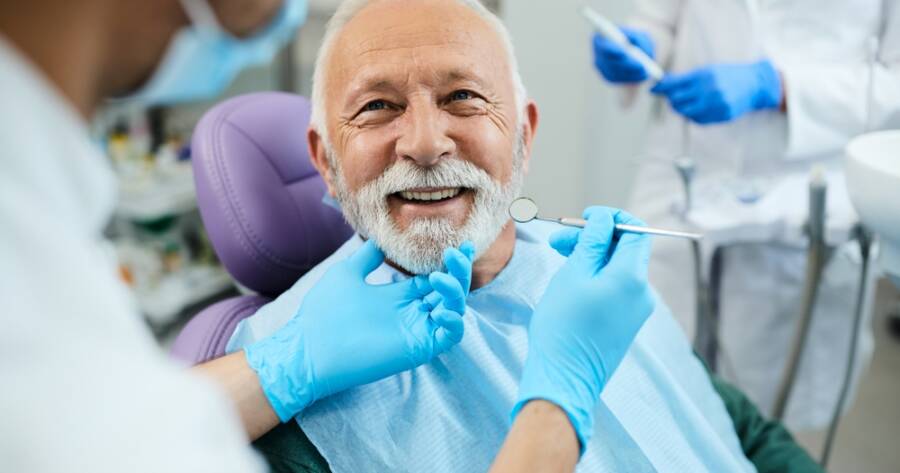
Oral health becomes more complex with age, yet finding a dentist who understands the unique needs of older adults can make all the difference in preserving both a healthy smile and overall well-being. Here is what seniors and their families should consider.
Why Senior Dental Care Requires a Specialized Approach
As the population of adults aged 65 and older continues to grow, dental professionals are increasingly serving patients whose oral health intersects with broader medical concerns (source). This makes choosing the right dentist far more than a matter of convenience — it is a decision with real implications for long-term health. A dentist who understands the complexities of aging is better equipped to provide care that accounts for physical limitations, changing medication needs, and age-specific conditions.
Conditions such as dry mouth, root decay, and gum disease become more prevalent as people age, and older patients may also respond differently to common dental medications including local anesthetics (source). A dentist who recognizes these distinctions will adjust treatment plans accordingly, rather than applying a one-size-fits-all approach.
The Link Between Oral Health and Systemic Conditions
One of the most compelling reasons to prioritize dental care in later life is the well-documented connection between gum health and serious systemic diseases. Gum inflammation has been associated with elevated risk for lung disease, heart disease, blood vessel blockage, and stroke (source). This means that consistent dental care is not merely cosmetic — it actively supports cardiovascular and respiratory health.
Cognitive health is also part of the picture. Research has found that older adults who experienced significant tooth loss faced a considerably higher likelihood of developing cognitive impairment or receiving a dementia diagnosis (source). A dentist who stays current with these research findings is better positioned to counsel patients on the full scope of why maintaining their oral health matters throughout their later years.
What to Look for in a Dentist for Older Adults
When evaluating dental providers for a senior patient, several key qualities deserve careful consideration. Experience treating older adults is a strong starting point. A dentist who regularly sees patients with age-related conditions will be more familiar with the communication adjustments, physical accommodations, and clinical nuances these patients may require (source).
Accessibility is another practical factor. Seniors with mobility challenges, sensory changes, or early cognitive decline benefit from a dental office that is physically accessible and staffed by professionals who communicate clearly and patiently. Potential physical, sensory, and cognitive impairments tied to aging can make standard oral hygiene education and patient communication more difficult, so a dentist who proactively addresses these barriers provides a meaningful advantage (source).
Medication awareness is equally critical. Many older adults take multiple prescription and over-the-counter medications simultaneously, which increases the risk of drug interactions and adverse reactions during dental treatment (source). A dentist who thoroughly reviews a patient’s medication list and consults with their physician when necessary demonstrates the kind of comprehensive, coordinated care that aging patients genuinely need.
The Role of Regular Visits and Daily Home Care
Even the most capable dentist can only do so much without consistent effort between appointments. Dental professionals recommend that seniors visit a dentist every six months for examinations, necessary imaging, and professional cleanings (source). These visits allow for early detection of decay, gum disease, and other emerging problems before they become more serious and costly to address.
Daily home care is equally essential. Keeping teeth and gums clean on a consistent basis helps prevent sensitivity, discomfort, and infection — all of which affect not just oral health but also a person’s comfort, safety, and self-esteem (source). For seniors managing dementia or significant physical limitations, a caregiver may need to assist with or take over daily brushing and flossing responsibilities entirely (source).
It is also worth noting that seniors who wear dentures are not exempt from professional dental visits. Even without natural teeth, routine checkups remain important for monitoring oral tissues, fitting adjustments, and catching any developing conditions early (source). The combination of thorough daily hygiene and regular professional care gives older adults the strongest foundation for lasting oral health (source).
Dry Mouth, Medications, and What a Good Dentist Should Address
Dry mouth is among the most common oral health complaints among older adults, and it is frequently a side effect of medications rather than a natural consequence of aging alone. Reduced saliva production makes chewing, swallowing, tasting, and speaking more difficult — and it significantly raises the risk of tooth decay because saliva plays a protective role in neutralizing acids and washing away bacteria (source).
A dentist who understands how medications interact with oral tissues will take dry mouth seriously and offer targeted strategies to manage it. This might include recommending specific hydration habits, saliva substitutes, or fluoride treatments that offset the heightened decay risk. This level of attentive, personalized care is a strong signal that a dental provider is well-suited for treating older patients.
Why Seniors and Families Should Learn More About Choosing the Right Dentist
Dental health in later life is deeply connected to overall physical and cognitive well-being, making the choice of a dental provider one of the more consequential healthcare decisions a senior or caregiver can make. The right dentist brings not just clinical skill, but a genuine understanding of the medical, physical, and personal complexities that older patients face. From managing medication interactions to accommodating mobility needs and supporting daily home care routines, a knowledgeable dental provider becomes a true partner in healthy aging. Families and seniors who take the time to evaluate dental providers carefully — asking about experience with older adults, accessibility, and approaches to systemic health — are investing in more than just a healthy smile. They are supporting quality of life, independence, and long-term health outcomes that extend well beyond the dental chair.