

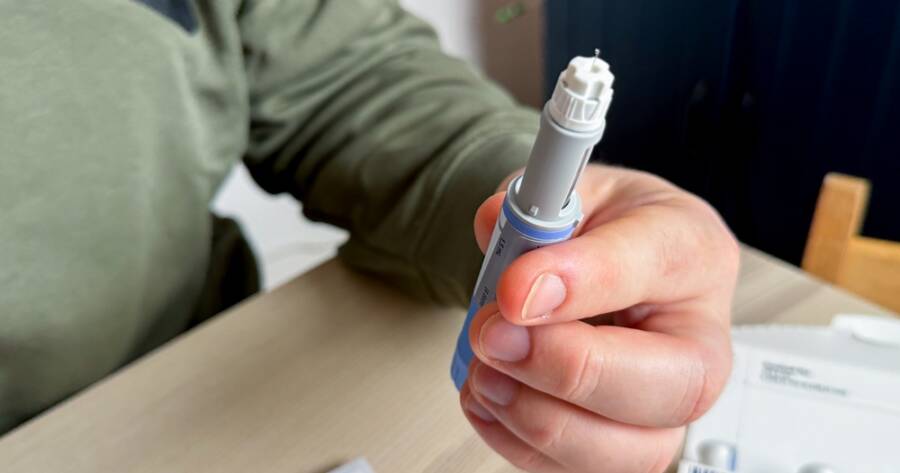
GLP-1 drugs such as Ozempic, Wegovy, and similar medications are widely used for type 2 diabetes and weight management. However, reports and research have raised questions about a possible link between GLP-1 drugs and NAION, a rare form of optic nerve damage. For patients who develop sudden vision loss, it’s important to understand which steps to take for medical care and a possible damages claim.
What Is NAION?
NAION stands for nonarteritic anterior ischemic optic neuropathy. It happens when blood flow to the optic nerve becomes reduced or blocked (source). The optic nerve carries visual signals from the eye to the brain, so damage in this area can cause sudden vision loss.
NAION is often described as a type of “eye stroke,” though it is different from a stroke in the brain. It usually affects one eye, often without pain, and vision loss may appear over hours or days. Some people notice it when they wake up. NAION can leave lasting vision damage, and there is no proven treatment that reliably restores lost vision.
Symptoms That Need Fast Attention
The most important warning sign is sudden, painless vision loss in one eye. Some people may notice a dark or blurry area in their vision. Others may lose part of their visual field, such as the upper or lower half of what they can see.
NAION does not always cause total blindness. The change may feel like dimming, shadowing, or a missing section of sight. Because symptoms can overlap with other serious eye or nerve problems, any sudden change in vision should be treated as a medical emergency.
Patients taking a GLP-1 medication should not assume every eye symptom is caused by the drug. Diabetes, high blood pressure, migraine, retinal disease, and other conditions can also affect vision. The safest next step is prompt evaluation by an eye doctor or emergency care provider.
Why GLP-1 Drugs Are Being Discussed
Semaglutide is the active ingredient in Ozempic, Wegovy, and Rybelsus. It belongs to the GLP-1 receptor agonist drug class, which helps regulate blood sugar and appetite. These drugs are widely prescribed in the United States for type 2 diabetes and chronic weight management.
A 2024 study in JAMA Ophthalmology reported an association between semaglutide prescriptions and a higher risk of NAION among certain patients with type 2 diabetes or overweight and obesity (source). The study found a link, but it did not prove that semaglutide directly causes NAION.
Eye specialists have urged caution in how the findings are interpreted. NAION is rare, and many people who take GLP-1 drugs already have health conditions that can raise eye and blood vessel risks (source). Current discussion focuses on awareness, careful monitoring, and better research rather than blanket fear.
What Patients Taking GLP-1 Drugs Should Do
Patients should not stop Ozempic, Wegovy, Rybelsus, Mounjaro, or any other prescribed GLP-1 drug without speaking to a clinician (source). Stopping suddenly can affect blood sugar control, weight management, and other treatment goals. The risk of untreated diabetes or obesity-related complications also needs to be weighed carefully.
A practical step is to discuss personal eye risk before or during treatment. This is especially important for people with diabetes, sleep apnea, high blood pressure, high cholesterol, smoking history, prior NAION, or major vision problems. A clinician may suggest an eye exam, better control of vascular risk factors, or closer follow-up.
Seeking Damages After NAION Vision Loss
Someone who develops NAION after taking a GLP-1 drug may want to speak with a product liability attorney, especially if the vision loss was sudden, medically documented, and followed use of semaglutide or another GLP-1 medication (source). A potential damages claim usually depends on more than showing that the person took the drug and later had vision loss. The case would likely need medical records, prescription history, eye exam findings, timing of symptoms, prior risk factors, and expert review of whether the drug may have contributed to the injury.
The first practical step is to preserve records. Patients should keep prescription labels, pharmacy records, appointment summaries, imaging results, ophthalmology notes, and any written diagnosis of NAION (source). They can also report the suspected adverse event through FDA MedWatch, which accepts reports from patients, consumers, and health professionals (source). A report does not prove fault or create compensation by itself, but it helps document a suspected safety issue and may become part of the broader record around drug safety concerns.
Protecting Your Health and Your Legal Options
The possible connection between GLP-1 drugs and NAION deserves careful attention, especially for people who have experienced sudden vision loss while using Ozempic, Wegovy, Rybelsus, or a similar medication. NAION is serious and can cause lasting damage, but the medical and legal questions around GLP-1 drugs are still developing. That makes documentation especially important.
Anyone who notices sudden dimming, shadowing, or loss of vision should seek medical care right away and make sure the diagnosis, timing, and medication history are clearly recorded. Patients should also preserve prescription records, pharmacy information, eye exam results, and communications with medical providers. These records can help doctors guide treatment and may also help an attorney evaluate whether there is a path to seeking damages.