

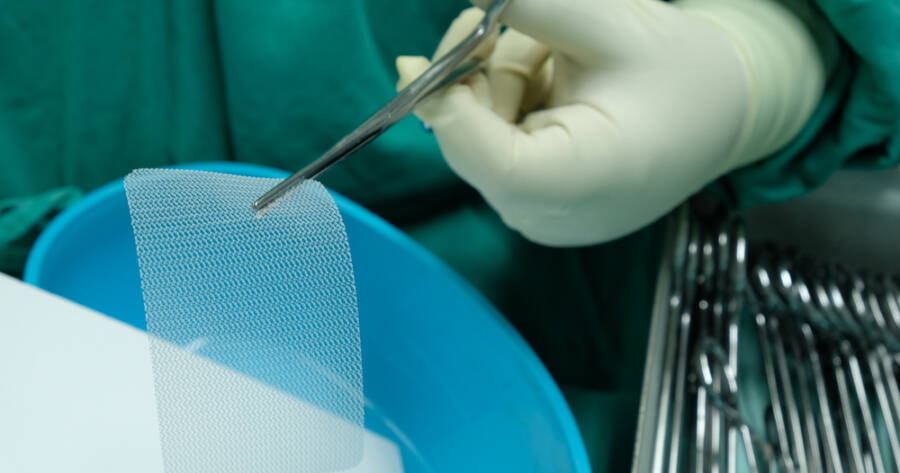
Hernia mesh damage claims are drawing attention as patients report chronic pain, infection, recurrence, and revision surgeries after repair procedures. Many claims focus on whether a device failed, migrated, adhered to tissue, or caused complications that required more treatment. For patients, the strongest questions usually start with records, symptoms, timing, and financial losses.
What Complications Are Being Reported?
The first question is whether the patient’s complications match issues commonly discussed in hernia mesh claims. Reported problems may include chronic pain, infection, adhesions, bowel obstruction, fistula, abscess, hernia recurrence, and reoperation for mesh-related complications (source).
Those symptoms do not automatically prove a legal claim. Hernia repair can be medically complicated, and pain after surgery may have more than one cause. Still, a patient who has ongoing symptoms, repeat doctor visits, or a recommendation for revision surgery may have a stronger reason to ask whether the mesh product should be reviewed.
Which Mesh Product Was Used?
The next question is product identification. A patient may know the surgery date and hospital but not the manufacturer or mesh model. That information matters because claims may depend on whether the device was made by Bard, Ethicon, Atrium, Covidien, or another manufacturer.
Useful records may include the operative report, implant sticker sheet, hospital chart, discharge summary, surgeon notes, and revision surgery records. These documents can help identify the device, lot number, mesh type, and placement. Without that information, it may be harder to connect the patient’s complications to a specific product or litigation history.
Was Revision Surgery Needed?
Revision surgery is often a major factor in hernia mesh damage claims. A patient who needs another operation may face new hospital bills, anesthesia costs, imaging, prescriptions, therapy, lost wages, and a longer recovery. Revision records can also show what the surgeon found, such as mesh migration, infection, erosion, adhesions, or recurrence.
Some current hernia mesh litigation involves claims that patients experienced complications such as pain, infection, mesh migration, adhesions, hernia recurrence, organ damage, or the need for additional surgery (source). The stronger the medical documentation, the easier it may be to evaluate whether the injury fits an active claim.
What Damages Can Be Documented?
A damages claim is usually about more than the device itself. Patients may need to document medical bills, lost income, out-of-pocket expenses, future care needs, pain, reduced mobility, and daily limitations. Wage records, tax returns, employer letters, disability paperwork, and appointment calendars can help show how the injury affected work.
Medical expenses should also be organized. Insurance statements, hospital bills, pharmacy receipts, physical therapy invoices, and travel costs for treatment may all matter. If a family member provided caregiving, patients may want to document that time as well.
What Do Recent Settlements Show?
Recent hernia mesh settlement activity shows why damages claims remain closely watched. Bard hernia mesh litigation has involved tens of thousands of claims, and a 2024 settlement agreement was reported to resolve nearly 40,000 claims in Rhode Island state court and the federal MDL in Ohio (source).
Other litigation remains active. Reports on the Covidien hernia mesh MDL describe more than 2,400 pending cases and bellwether trials scheduled in 2026 (source). These developments do not create a guaranteed payout for every patient, but they show that settlement posture can differ sharply by manufacturer, device, and litigation stage.
Are There Specific Verdicts or Payouts?
Past outcomes can help explain the stakes, but they should not be treated as personal estimates. Bard litigation has included bellwether verdicts and settlement activity, while broader settlement reporting says more than $1 billion has been set aside to resolve Bard claims (source).
Settlement value can depend on injury severity, revision surgery, medical documentation, lost wages, time since surgery, and whether the case fits a current settlement program (source). A patient with chronic discomfort but no revision surgery may be evaluated differently from someone with multiple operations, infection, organ injury, or long-term work loss.
Is the Claim Still Timely?
Deadlines are another key question. Hernia mesh claims are governed by state statutes of limitations, and the filing window may depend on when the patient discovered, or reasonably should have discovered, that the mesh may be connected to the injury. Some legal resources describe common time limits as varying by state and often running from discovery of the injury (source).
Patients should not wait until every medical issue is fully resolved before asking about timing. A claim can become harder to file if records are lost, memories fade, or the deadline passes. A legal review can help determine whether the case is still within the available window.
The Best Claim Starts With Better Records
Hernia mesh damage claims are highly fact-specific. The key questions are not only whether a patient had mesh, but which mesh was used, what complications occurred, whether revision surgery was needed, and how the injury changed the patient’s finances and daily life.
For patients, the practical next step is organization. Gather surgical records, implant details, medical bills, wage records, revision notes, and a timeline of symptoms. The clearer the record, the easier it is to evaluate whether a hernia mesh damage claim may move forward.