

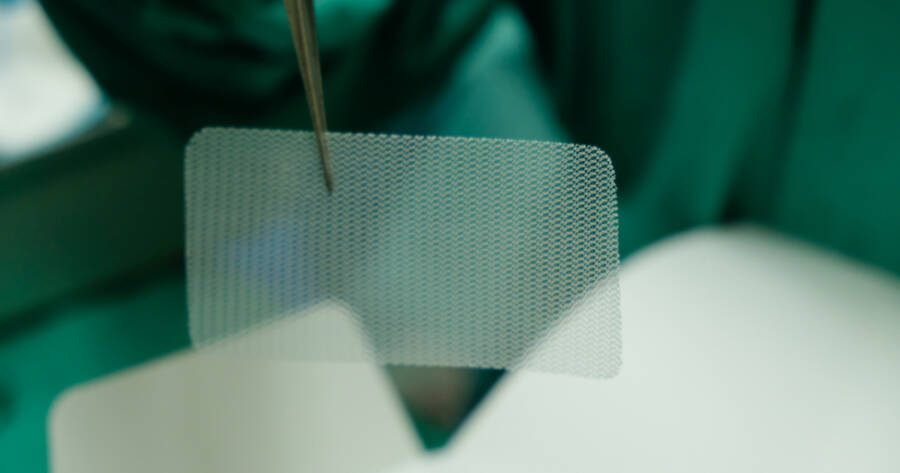
Hernia mesh settlements are drawing renewed attention as thousands of patients continue to track claims involving chronic pain, infection, recurrence, and revision surgery. Recent settlement activity has raised questions about who may qualify, how compensation may be reviewed, and why one person’s claim value may differ from another’s. Understand that the answers often depend on records and injury severity.
Who May Be Eligible for a Settlement?
Eligibility usually starts with the product used during hernia repair. Patients often need to confirm the manufacturer, mesh model, surgery date, and whether the product is connected to active litigation or a settlement process. The operative report and implant sticker can be especially important because they may identify the exact device.
A claim may also depend on the complication. Patients who experienced chronic pain, infection, mesh migration, adhesions, hernia recurrence, organ damage, or additional surgery may have stronger reasons to seek a case review. Some current claim guidance for Covidien/Parietex mesh lists those complications, along with medical records documenting the implant and later problems, as part of the eligibility review (source).
Does Revision Surgery Affect Compensation?
Revision surgery is often one of the most important factors in settlement evaluation. A patient who needed mesh removal, repeat repair, bowel treatment, infection care, or another abdominal operation may have higher medical costs and a clearer injury record than someone who had symptoms but no additional surgery.
Settlement-value guidance often highlights revision surgery, injury severity, medical documentation, lost wages, and medical expenses as factors that can affect compensation (source). These factors do not create a guaranteed payout, but they help explain why similar product claims can lead to different settlement values.
What Recent Bard Settlement Activity Shows
Bard hernia mesh litigation has produced some of the most closely watched settlement activity. In October 2024, a settlement was reported to exceed $1 billion and resolve more than 38,000 lawsuits alleging that patients suffered organ damage from surgical mesh used in hernia repair (source).
The manufacturer also announced an agreement to resolve the vast majority of existing hernia litigation. The terms were confidential, and the agreement included cases in Rhode Island consolidated litigation and the federal multidistrict litigation in Ohio. The announcement also said the agreement involved no admission of liability or wrongdoing (source).
Why Settlement Headlines Can Be Misleading
Large settlement numbers do not mean every claimant receives the same amount. A global settlement may create a framework for resolving many claims, but individual review can still matter. The product, complication, surgery history, medical bills, lost wages, and documentation may all affect the result.
This is especially important because pending case counts can remain high even after settlement activity begins. As of July 1, 2026, one litigation tracker listed 26,297 pending lawsuits across four active federal hernia mesh MDLs, including 23,382 Bard/Davol cases, 2,425 Covidien cases, 149 Atrium cases, and no pending Ethicon cases in that count (source). A docket can remain active while claims are reviewed, settled, dismissed, or moved toward trial.
What About Covidien, Atrium, and Ethicon Claims?
Not every hernia mesh case follows the Bard settlement path. Covidien litigation remains a major area of interest, especially for patients who received Parietex or related mesh products. As of mid-2026, Covidien cases were still active, with reports describing a bellwether trial track and thousands of pending cases (source).
Atrium and Ethicon claims have their own histories as well. A patient should not assume that one manufacturer’s settlement applies to another device. Eligibility depends on the product implanted, the legal status of that product’s claims, and the evidence connecting the device to the patient’s injury.
What Records Help Prove Compensation?
Compensation is usually easier to evaluate when the patient has organized records. Medical documents may include the original surgery report, implant label, follow-up notes, imaging, emergency care records, infection treatment, pain-management notes, and revision surgery reports. These records can show what was implanted and what happened afterward.
Financial records may include hospital bills, insurance statements, prescription receipts, travel costs, physical therapy invoices, wage records, tax returns, and disability paperwork. A written timeline can also help show when symptoms began, when care was sought, and how the complication affected work and daily life.
Understanding the Range of Compensation Amounts
Average compensation estimates should be treated carefully because many hernia mesh settlements are confidential and individual payouts can vary widely. Some 2026 legal estimates place average hernia mesh payouts in a broad range, often from about $65,000 to $500,000, while more serious claims involving revision surgery, organ injury, strong medical proof, or major wage loss may be valued higher (source).
Other settlement reporting notes that more than $1 billion has been set aside to resolve Bard claims, but that large total does not translate into one uniform payment for every claimant (source). This is why organized records matter: medical bills, lost income proof, revision surgery notes, and product identification can all affect where a claim may fall within a settlement review.
Eligibility Starts With the File
Hernia mesh settlements may be significant, but eligibility and compensation are not automatic. The strongest claims often involve a confirmed mesh product, documented complications, clear damages, and timely filing.
Patients who believe they may qualify should gather surgical records, implant details, revision notes, bills, wage records, and a symptom timeline. Settlement headlines can show the scale of the litigation, but the individual file usually determines whether a claim can be evaluated and what compensation may be possible.