

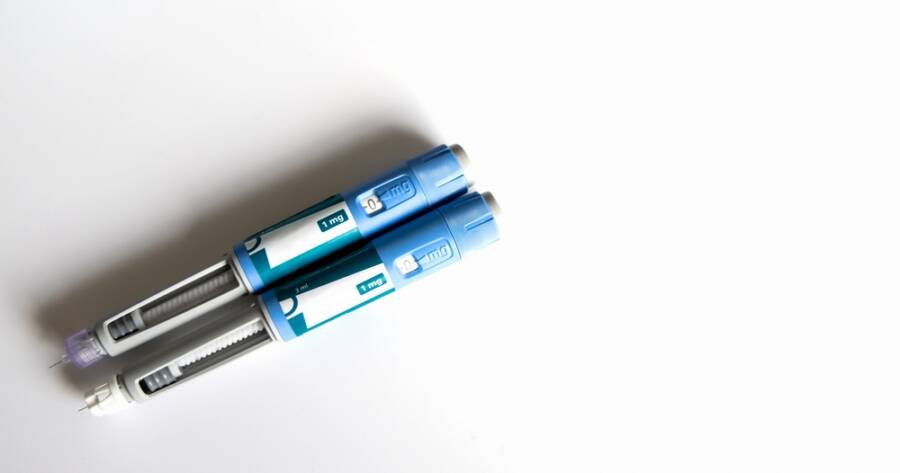
Lawsuits for GLP-1 NAION are drawing attention as patients report sudden vision loss after using medications prescribed for diabetes or weight management. The cases are still developing, and no public settlement program has been established. For patients, the key questions involve diagnosis, drug timing, medical evidence, warnings, and whether the claim fits the current litigation.
What the Lawsuits Are About
The lawsuits focus on allegations that certain GLP-1 receptor agonist drugs may be linked to non-arteritic anterior ischemic optic neuropathy, or NAION. This is a specific optic nerve condition, not a general complaint about blurry vision.
Federal lawsuits involving GLP-1 drugs and NAION vision-loss claims have been grouped for coordinated pretrial proceedings in the Eastern District of Pennsylvania. The proceeding is known as multidistrict litigation, which means similar lawsuits are handled together before one judge during early court stages while remaining individual cases (source).
Why a Confirmed Diagnosis Matters
A strong claim starts with medical proof. NAION is caused by reduced blood flow to the front part of the optic nerve and can lead to optic nerve swelling and sudden vision loss. It usually affects one eye, though the other eye may later be involved (source).
Patients may need records from an ophthalmologist, neuro-ophthalmologist, emergency department, or eye clinic. Useful documents may include visual field testing, optic nerve findings, imaging, exam notes, referral records, and follow-up care. A lawsuit based only on general vision changes may be harder to review than one supported by a clear NAION diagnosis.
What Medical Research Shows
The medical evidence is still developing. A clinical statement from an ophthalmology organization noted that many reports suggest a small possible increased risk of NAION in patients taking GLP-1 receptor agonists such as semaglutide, while some studies report no correlation. It also described the overall magnitude of risk as low and emphasized shared decision-making between patients and their care teams (source).
Another study using more than 30 million FDA adverse-event reports from 2017 through 2024 found a stronger reporting signal for ischemic optic neuropathy with Wegovy than Ozempic. The same study reported stronger signals in men, while cautioning that adverse-event reporting data cannot prove causation by itself (source).
What Attorneys May Review
Attorneys reviewing GLP-1 NAION lawsuits may begin with the patient’s prescription history. They may ask which drug was used, when treatment began, what dose was prescribed, whether the dose changed, and when vision symptoms first appeared.
They may also examine other possible risk factors. Diabetes, high blood pressure, sleep apnea, vascular disease, prior eye conditions, and age can all become part of the causation review. These factors do not automatically defeat a claim, but they may affect how the medical evidence is interpreted.
Why Settlements Should Not Be Assumed
Patients should be cautious about settlement predictions. Current public litigation updates describe the GLP-1 NAION cases as active and developing, with no established settlement program or reliable public payout range (source).
That matters because early settlement claims online can be speculative. If settlements eventually occur, potential value may depend on diagnosis strength, severity of vision loss, whether one or both eyes were affected, medication timing, medical expenses, lost income, and long-term limits on work or daily life.
What Patients Can Do Now
Patients who experienced sudden vision loss after using a GLP-1 medication should focus first on medical care. Sudden vision loss should be evaluated quickly by a qualified eye-care provider.
After that, organization matters. Patients considering a legal review can gather pharmacy records, prescription labels, prescribing notes, eye-care records, diagnostic test results, symptom timelines, insurance documents, and records showing how vision loss affected work, driving, income, or daily activity.
Claims Depend on Proof, Not Predictions
Lawsuits for GLP-1 NAION may continue to raise questions about drug safety, warnings, and patient harm. But these cases are not yet a settled legal category with fixed outcomes or published payment amounts.
For patients, the strongest starting point is evidence. A confirmed diagnosis, clear medication timeline, and detailed records can help show whether a claim deserves closer review. Until the litigation develops further, patients should treat settlement estimates cautiously and focus on the facts that can support their individual case.