

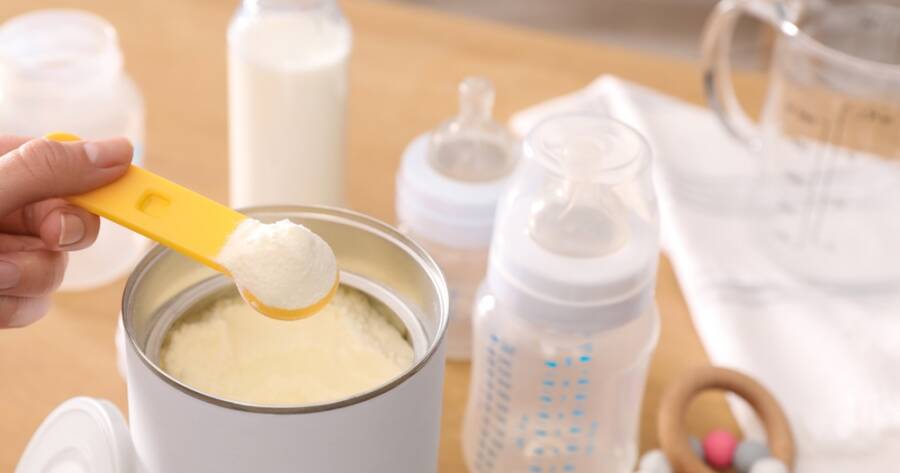
NEC claims involving infant formula are moving through courts as families question whether cow’s milk-based products contributed to serious intestinal injuries in premature babies. Necrotizing enterocolitis, or NEC, can become life-threatening quickly. For parents, the central issues are feeding history, diagnosis records, current litigation status, and proof of long-term harm.
What NEC Claims Are About
NEC is a serious gastrointestinal disease that most often affects premature infants. It can damage the intestine, lead to infection, require emergency treatment, and sometimes result in surgery or death (source).
The current infant formula cases generally focus on whether cow’s milk-based formula or fortifier used for premature infants increased NEC risk and whether warnings were adequate. These claims often involve products used in neonatal intensive care units, where premature infants may need added nutrition because of low birth weight or medical vulnerability.
Why Feeding History Matters
A parent may need detailed feeding records before an NEC claim can be evaluated. The review may look at whether the baby received mother’s milk, donor human milk, cow’s milk-based formula, cow’s milk-based fortifier, or a mix of feeding types.
Human milk has been linked with lower NEC risk in preterm infants when compared with formula milk or non-human fortifiers (source). That does not decide any individual lawsuit, but it helps explain why feeding history is central to the litigation. Nursing notes, feeding logs, nutrition orders, product names, and lot details may help show what the infant received and when.
Current Federal Cases Are Coordinated
Federal NEC formula lawsuits have been grouped in multidistrict litigation, or MDL. That process places similar federal lawsuits before one judge for coordinated pretrial handling while each family’s case remains separate.
The federal transfer order for MDL No. 3026 states that the lawsuits involve allegations that cow’s milk-based Similac and Enfamil infant formula products caused NEC in premature infants (source). That grouping does not mean the claims have been proven. Each case may still depend on product exposure, diagnosis timing, injury severity, and damages.
Verdicts Have Been Mixed
Some NEC formula cases have produced major verdicts. A Missouri jury awarded $495 million in a Similac-related case, including $95 million in compensatory damages and $400 million in punitive damages (source).
Other outcomes show why parents should be cautious about assumptions. A $60 million Enfamil verdict was later reversed by an Illinois appellate court and sent back for a new trial (source). These results show that NEC cases can involve high stakes, but they also remain contested and may change during appeals.
Records Can Shape a Claim
NEC claims often depend on hospital records. Useful documents may include birth records, gestational age, birth weight, neonatal intensive care unit notes, feeding orders, product names, abdominal imaging, surgical records, pathology reports, discharge summaries, and death records when applicable.
Parents may also need records showing long-term harm. NEC can lead to bowel removal, feeding problems, short bowel syndrome, repeated medical care, developmental concerns, or lasting disability. Medical bills, travel costs, therapy records, home-care expenses, and parent work disruption may help show damages.
Settlement Expectations Should Stay Careful
Parents should be wary of websites that promise a specific payout. Large verdicts have been reported, but verdicts are not the same as a settlement program. A verdict may be appealed, reduced, reversed, or retried.
Future NEC claim values may depend on the infant’s prematurity, the products used, the timing of NEC symptoms, surgery or death, long-term complications, and the strength of warning evidence. Until broader settlements are publicly established, individual records matter more than online estimates.
Parents Should Start With Documentation
NEC claims are difficult because they combine medical records, feeding decisions, product evidence, and legal questions about warnings. A parent does not need to know every answer before asking for a review, but records will usually drive the case.
The best starting point is a complete file. Feeding logs, neonatal intensive care records, product details, diagnosis notes, surgical records, discharge summaries, and long-term care documents can help show whether an infant formula claim has enough support to move forward.