

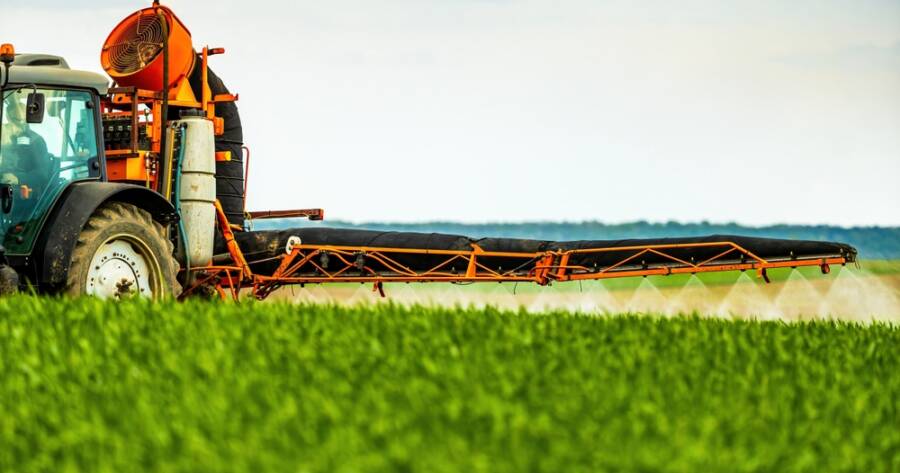
Paraquat has raised questions among individuals who believe exposure to the herbicide contributed to Parkinson’s disease or other health concerns. While Paraquat has not been formally recalled by the EPA, thousands of lawsuits have been filed alleging that manufacturers failed to warn users about potential risks. Understanding what recall claims are, the legal options, and the claims process can help affected individuals evaluate their next steps.
Has Paraquat Been Recalled?
Despite growing concerns and ongoing litigation, Paraquat has not been formally recalled by the U.S. Environmental Protection Agency (EPA). The herbicide remains a federally approved restricted-use pesticide, meaning only certified applicators are permitted to handle and apply it. However, regulatory changes, state restrictions, and manufacturer decisions have increased attention surrounding Paraquat’s safety.
Syngenta, one of the primary companies associated with Paraquat, has stopped global production of the herbicide and ended sales in California. Vermont also became the first U.S. state to ban Paraquat entirely. While these actions have affected the availability and use of the chemical, they do not represent a nationwide product recall. The distinction is important because recall claims often involve products officially removed from the market, while Paraquat lawsuits focus on alleged health risks and failure-to-warn claims.
Why People Are Filing Paraquat Claims Despite No Recall
Because Paraquat has not been recalled, many legal claims involving the herbicide are not technically recall claims. Instead, lawsuits generally focus on allegations that manufacturers failed to provide adequate warnings about potential health risks associated with exposure. Many plaintiffs claim that long-term Paraquat exposure contributed to their Parkinson’s disease diagnoses.
Paraquat lawsuits have primarily involved agricultural workers, farmers, landscapers, and others who regularly handled or worked near the herbicide. Plaintiffs allege that companies such as Syngenta and other distributors knew or should have known about potential risks but did not provide sufficient warnings. The companies involved have disputed the allegations. Individuals pursuing legal action are generally seeking compensation for medical expenses, lost income, and other damages connected to their diagnoses.
How Paraquat Legal Claims Are Evaluated
Even without a formal recall, individuals may still explore whether they have a potential Paraquat claim. Eligibility generally depends on whether a person can show meaningful exposure to the herbicide and a related medical condition, particularly Parkinson’s disease.
Attorneys evaluating a potential claim may review factors such as the type of work performed, length of exposure, frequency of contact with Paraquat, and medical history. Evidence may include employment records, product information, medical records, and testimony from coworkers or others familiar with the exposure. A recall is not always required for a successful product liability claim. Instead, cases often focus on whether a product caused harm and whether the manufacturer provided appropriate safety information.
How the Paraquat Claim Process Works
The Paraquat claim process typically begins with an attorney reviewing a person’s exposure history and medical records. If the claim appears viable, the legal team may gather additional documentation, investigate the circumstances of exposure, and determine the best legal path forward.
Many Paraquat lawsuits are currently being handled through multidistrict litigation (MDL) No. 3004. An MDL allows similar cases to share certain pretrial procedures while keeping each person’s claim separate. During litigation, attorneys may participate in discovery, gather expert testimony, and negotiate potential settlements. The process can involve detailed reviews of medical evidence and exposure history because each individual’s circumstances are different.
What Compensation May Be Available Through Paraquat Claims
Individuals pursuing Paraquat claims may seek compensation for losses associated with Parkinson’s disease and other alleged injuries. Potential damages may include medical expenses, ongoing treatment costs, lost wages, reduced earning capacity, and the physical and emotional effects of living with a progressive neurological condition.
Settlement values can vary based on the severity of the illness, evidence of exposure, and the strength of the claim. In 2021, Syngenta and Chevron reportedly reached a $187.5 million settlement involving multiple Paraquat claims. Some legal professionals have estimated individual settlement values could range from tens of thousands of dollars to more than $1 million in severe cases, although no specific outcome is guaranteed. Each claim is evaluated based on its own facts.
Understanding Your Options After Paraquat Exposure
Paraquat recall claims can be confusing because the herbicide has not been subject to a formal nationwide recall. However, individuals who believe Paraquat exposure contributed to Parkinson’s disease may still have legal options through product liability claims and ongoing litigation.
Understanding the difference between a recall, safety restrictions, and a legal claim can help affected individuals make informed decisions. Speaking with an attorney experienced in toxic exposure cases may help determine whether a person qualifies for compensation and what steps may be available based on their medical history and exposure circumstances.