

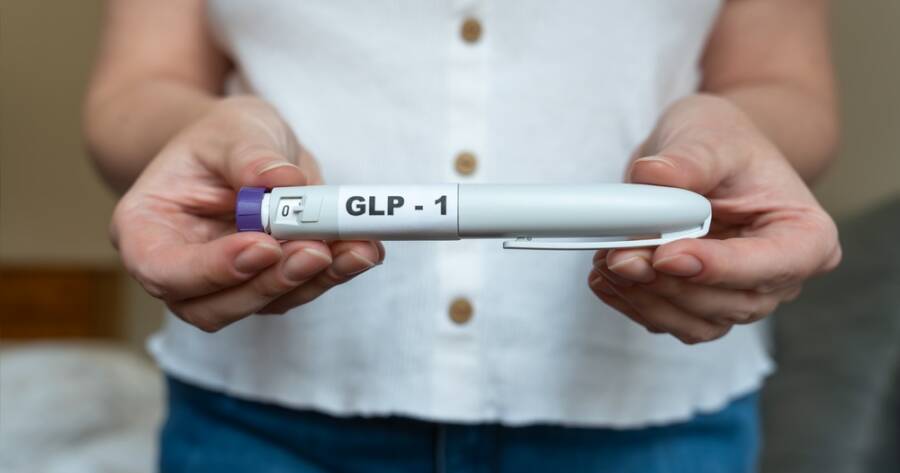
GLP-1 NAION class action questions are increasing as patients review lawsuits involving diabetes and weight-loss drugs and alleged vision loss. But a class action is not the same as a multidistrict litigation (MDL), and group claims may face hurdles when injuries, medical histories, and damages differ. For patients, the legal structure matters before expectations build.
Why the Class Action Question Is Coming Up
The question is emerging because federal GLP-1 NAION litigation is now centralized. MDL No. 3163 involves alleged injuries tied to GLP-1 receptor agonists used for type 2 diabetes and chronic weight management, including Ozempic, Wegovy, Saxenda, and Trulicity (source).
Centralization can make patients wonder whether the cases are a class action. They are not automatically the same. An MDL groups similar lawsuits for coordinated pretrial proceedings, while a class action asks one or more plaintiffs to represent a larger group under court-approved class rules.
What a Class Action Must Show
Federal class actions generally must meet Rule 23 requirements, including numerosity, commonality, typicality, and adequate representation (source). In plain terms, the proposed group must be large enough, the claims must share key legal or factual questions, and the proposed class representatives must fairly represent the group.
That can be difficult in personal injury drug cases. Patients may have used different GLP-1 drugs, taken different doses, had different risk factors, and experienced different levels of vision loss. Those differences can make individual lawsuits or MDL proceedings more practical than one class action for all patients.
Why Individual Evidence May Matter
GLP-1 NAION claims are likely to depend heavily on patient-specific medical proof. A claim may need records showing the drug used, the prescription timeline, when symptoms began, and whether an eye specialist diagnosed non-arteritic anterior ischemic optic neuropathy.
Medical research is part of the backdrop. A matched cohort study of 16,827 patients found a higher risk of NAION among patients prescribed semaglutide compared with patients prescribed non-GLP-1 medications for diabetes or obesity (source). That finding may support why cases are being reviewed, but each lawsuit may still require evidence about one patient’s diagnosis, medical history, and timing.
Why MDLs Are Often Used Instead
MDLs are common when many lawsuits share factual questions but still require individual proof. In drug and device cases, MDLs can coordinate discovery, expert issues, motions, and pretrial rulings while preserving individual claim details.
That structure may fit GLP-1 NAION claims better than a broad class action if damages vary sharply. One patient may have partial vision loss. Another may lose vision in one eye. Another may have major work limitations. Those differences can affect medical costs, lost income, pain, disability, and future needs.
Safety Findings Do Not Decide Class Status
Regulatory and medical developments may influence the litigation, but they do not automatically create a class action. European regulators concluded that NAION is a very rare side effect of semaglutide medicines and recommended updates to product information (source).
That type of finding may become part of the discussion over warnings and risk information. However, class certification would still depend on whether the legal claims can be handled as a group. A safety update, by itself, does not answer whether patients’ injuries and damages are similar enough for class treatment.
Settlements Are Still Unclear
Patients should be cautious about expecting class action settlement amounts. Public GLP-1 NAION settlement values have not been established in the way they have for older mass torts with mature settlement programs. The current litigation is still focused on organizing cases and developing evidence (source).
If settlements eventually occur, values may depend on diagnosis strength, severity of vision loss, drug exposure records, warning evidence, prior risk factors, lost income, and long-term limitations. A class settlement could be possible for certain shared issues, but individual injury values may still require separate review.
Group Claims May Face a Narrow Path
GLP-1 NAION class action questions are understandable, but patients should not assume that centralized litigation means a certified class action will follow. The cases may share common questions about warnings and drug safety, while still requiring individual proof of diagnosis, timing, causation, and damages.
For patients, the practical step is to gather records before focusing on the case label. Pharmacy histories, prescribing notes, eye-care records, test results, symptom timelines, and work-impact records can help show whether a claim belongs in the developing GLP-1 NAION litigation and how it may be reviewed.